Selasa, 18 November 2025

158+ Woodworking Plans For Vanity

Makeup vanity woodworking plans www.saubhaya.com

Introduction: Building Your Own Vanity Creating a custom vanity allows you to tailor the design perfectly to your space and style. This guide provides a detailed, step-by-step process for building a simple, yet elegant vanity from readily available materials. This project assumes basic woodworking knowledge and access to standard tools. Get ready to transform your bathroom with a personalized touch!
Step 1: Planning and Design Before you even pick up a saw, meticulously plan your vanity. Consider these elements:
  • Measure your bathroom space accurately. Determine the maximum width, depth, and height your vanity can occupy.
  • Sketch out your design. Include the overall dimensions, drawer/cabinet configuration, and desired countertop overhang.
  • Choose your materials. Plywood is a cost-effective and sturdy option for the vanity carcass. Select solid wood for the face frame, doors, and drawer fronts. Consider the aesthetic you are aiming for.
  • Create a cutting list. This will save you time and material. Include the dimensions for all the pieces you need (sides, top, bottom, shelves, face frame, doors, drawer fronts, drawer boxes, etc.).
  • Step 2: Gathering Materials and Tools Having everything on hand before you begin streamlines the building process. Here's a comprehensive list:
  • Plywood (for the vanity carcass)
  • Solid wood (for the face frame, doors, drawer fronts)
  • Wood glue
  • Screws (various sizes)
  • Pocket hole screws (optional, for joining wood)
  • Drawer slides
  • Door hinges
  • Knobs or pulls (for drawers and doors)
  • Wood filler
  • Sandpaper (various grits)
  • Primer
  • Paint or stain
  • Topcoat (polyurethane or varnish)
  • Countertop (pre-made or custom)
  • Sink (if you are installing one, ensure compatibility with your chosen countertop)
  • Tools: Table saw, Circular saw, Miter saw, Drill/Driver, Pocket hole jig (optional), Sander, Clamps, Measuring tape, Square, Pencil, Safety glasses, Hearing protection
  • Step 3: Building the Vanity Carcass The carcass is the foundation of your vanity. Precision is key to a strong and square structure.
  • Cut the plywood pieces according to your cutting list for the sides, top, and bottom of the carcass.
  • Join the sides, top, and bottom using wood glue and screws. Alternatively, use a pocket hole jig for stronger joints.
  • Ensure the carcass is square before the glue dries. Use clamps to hold the pieces together while the glue sets.
  • Add a back panel to the carcass for added stability. This can be a thinner piece of plywood.
  • If desired, add shelves inside the carcass. Measure and cut the shelves to size, then attach them using glue and screws or shelf supports.
  • Step 4: Constructing the Face Frame The face frame adds structural integrity and a finished look to the vanity.
  • Cut the solid wood pieces for the stiles (vertical pieces) and rails (horizontal pieces) of the face frame.
  • Join the stiles and rails using wood glue and screws or pocket hole screws.
  • Attach the face frame to the front of the vanity carcass using wood glue and screws. Clamp the face frame in place until the glue dries.
  • Fill any screw holes with wood filler and sand smooth.
  • Step 5: Building Doors and Drawers Doors and drawers provide storage and functionality. Accuracy in measurements is crucial for a smooth fit.
  • For Doors: Cut the solid wood pieces for the door frames. Join the pieces using wood glue and screws or pocket hole screws. Insert a panel (plywood or solid wood) into the frame. Attach the hinges to the door frames and the face frame.
  • For Drawers: Cut the plywood pieces for the drawer boxes (sides, front, back, and bottom). Assemble the drawer boxes using wood glue and screws or pocket hole screws. Attach the drawer slides to the drawer boxes and the inside of the vanity carcass. Cut the solid wood pieces for the drawer fronts. Attach the drawer fronts to the drawer boxes.
  • Step 6: Finishing and Assembly This stage brings your vanity to life with color and protection.
  • Sand all surfaces of the vanity, doors, and drawer fronts smooth. Start with a coarser grit sandpaper and gradually move to a finer grit.
  • Apply primer to all surfaces. This will help the paint or stain adhere better.
  • Paint or stain the vanity, doors, and drawer fronts according to your desired finish. Apply multiple coats for a durable and even finish.
  • Apply a topcoat (polyurethane or varnish) to protect the finish from moisture and wear.
  • Install the knobs or pulls on the doors and drawers.
  • Install the countertop on top of the vanity carcass. Secure it with construction adhesive or screws.
  • Install the sink according to the manufacturer's instructions.
  • Conclusion: Your Custom Vanity Congratulations! You've successfully built your own custom vanity. Take a step back and admire your handiwork. You now have a beautiful and functional piece that perfectly complements your bathroom. Remember to properly seal all seams and edges to prevent water damage. Enjoy your new vanity!

    Makeup Vanity Woodworking Plans

    Makeup vanity woodworking plans www.saubhaya.com

    Makeup Vanity Woodworking Plans

    Makeup vanity woodworking plans www.saubhaya.com

    Build A Bathroom Vanity Plans

    Build a bathroom vanity plans woodworkingchallenge.com
    Read More..

    Minggu, 16 November 2025

    59+ Woodworking Plans For Picnic Table

    Simple diy picnic table plans for woodworking beginner gooddiyplans.com

    Opening: Let's Build a Picnic Table! Want to enjoy outdoor meals and gatherings in style? Building your own picnic table is a rewarding DIY project that can save you money and give you a customized piece of outdoor furniture. This guide will walk you through the process step-by-step, from gathering materials to the final assembly.
    Materials & Tools: The Shopping List Before you start building, you'll need to gather your supplies. Here's a general list; adjust quantities based on your desired table size and specific plan:
    • Treated lumber (pressure-treated is best for outdoor use): Consider 2x4s, 2x6s, and 4x4s for the frame, tabletop, and legs.
    • Exterior wood screws (various sizes): Essential for strong and weatherproof connections.
    • Exterior wood glue: Adds extra strength to joints.
    • Sandpaper (various grits): For smoothing surfaces.
    • Wood stain or sealant (optional): To protect the wood and enhance its appearance.
    • Measuring tape: Crucial for accurate cuts.
    • Pencil: For marking measurements.
    • Circular saw or hand saw: For cutting lumber.
    • Drill/driver: For pre-drilling holes and driving screws.
    • Clamps: To hold pieces together while gluing and screwing.
    • Safety glasses: Protect your eyes!
    • Ear protection: Protect your ears from loud noises.
    Step 1: Cutting the Lumber Using your chosen picnic table plan as a guide (there are numerous free plans available online; search for "free picnic table plans"), carefully measure and cut all the necessary pieces of lumber to the specified lengths. Accurate cuts are essential for a sturdy and well-proportioned table. Double-check your measurements before each cut.
    Step 2: Building the Tabletop Lay out the tabletop boards side-by-side, ensuring they are aligned evenly. Attach cleats (short pieces of wood running perpendicular to the tabletop boards) underneath the tabletop to hold them together. These cleats should be spaced evenly along the length of the tabletop. Use wood glue and screws to secure the cleats to the tabletop boards.
    Step 3: Constructing the Leg Assemblies Assemble the leg frames according to your plan. Typically, this involves creating A-frames or trapezoidal shapes using the 4x4 posts for legs and shorter connecting pieces. Use wood glue and screws to create strong joints. Ensure the leg assemblies are square and stable.
    Step 4: Attaching the Legs to the Tabletop Position the leg assemblies underneath the tabletop, aligning them with the frame or cleats. Use wood glue and screws to securely attach the leg assemblies to the tabletop. Make sure the legs are positioned correctly for stability and even weight distribution.
    Step 5: Adding the Bench Seats Construct the bench seats in a similar fashion to the tabletop, using the appropriate lumber and cleats. Attach the bench seats to the leg assemblies, ensuring they are at a comfortable height for seating. Use wood glue and screws for secure attachment.
    Step 6: Sanding and Finishing Once the table is fully assembled, sand all surfaces to smooth out any rough edges or splinters. Start with a coarser grit sandpaper and gradually move to finer grits. Wipe down the table with a damp cloth to remove any sanding dust. Apply a wood stain or sealant to protect the wood from the elements and enhance its appearance (optional but highly recommended). Follow the manufacturer's instructions for application and drying times.
    Conclusion: Enjoy Your Handcrafted Picnic Table! Congratulations! You've successfully built your own picnic table. Allow the stain or sealant to dry completely before using. Now you can enjoy outdoor meals, games, and gatherings with family and friends around your handcrafted masterpiece. Remember to periodically check and tighten any screws as needed to maintain the table's stability.

    Diy Picnic Table Woodworking Plans Picnic Table Plan Outdoor Table Design Patio Ideas Outdoor

    Diy picnic table woodworking plans picnic table plan outdoor table design patio ideas outdoor www.etsy.com

    Simple Diy Picnic Table Plans For Woodworking Beginner

    Simple diy picnic table plans for woodworking beginner gooddiyplans.com

    Simple Diy Picnic Table Plans For Woodworking Beginner

    Simple diy picnic table plans for woodworking beginner gooddiyplans.com
    Read More..

    Sabtu, 15 November 2025

    107+ Woodworking Projects Plans

    Woodworking for beginners: everything first-timers need to know www.familyhandyman.com

    Introduction: Unleash Your Inner Crafter Building a Simple Wooden Birdhouse This guide will walk you through the process of building a basic wooden birdhouse. It's a fun and rewarding project suitable for beginners, requiring minimal tools and materials. Not only will you gain woodworking skills, but you'll also provide a cozy home for your feathered friends.
    Materials and Tools You'll Need:
  • Untreated wood (pine, cedar, or redwood are excellent choices): A single board, approximately 1" x 6" x 6' should suffice.
  • Wood glue
  • Wood screws or nails
  • Saw (hand saw, circular saw, or miter saw)
  • Drill with drill bits
  • Measuring tape
  • Pencil
  • Sandpaper (various grits)
  • Clamps (optional, but helpful)
  • Safety glasses
  • Dust mask
  • Step-by-Step Instructions: Step 1: Planning and Cutting the Pieces First, determine the desired size of your birdhouse. A small birdhouse is generally around 6" x 6" x 8". Based on this, cut the wood pieces according to the following dimensions (adjust as needed for your size preference):
  • Front: 6" wide x 8" high
  • Back: 6" wide x 10" high (the extra 2" will form the roof overhang)
  • Sides (2 pieces): 6" wide x 8" high, angled at the top to meet the roof
  • Bottom: 6" wide x 5" deep
  • Roof (2 pieces): 6" wide x 7" deep
  • Use your measuring tape and pencil to accurately mark the cutting lines on the wood. Use your saw to carefully cut along the lines. Always wear safety glasses and a dust mask when sawing.
    Step 2: Creating the Entrance Hole On the front piece, mark the center point for the entrance hole. The size of the hole depends on the type of bird you want to attract. For small birds like wrens, a 1 1/8" hole is appropriate. For larger birds, you can increase the size accordingly. Use a drill with a hole saw attachment of the appropriate size to create the entrance hole. If you don't have a hole saw, you can use a drill bit to create a pilot hole, then carefully enlarge it with a jigsaw or by drilling multiple overlapping holes and cleaning up the edges with sandpaper.
    Step 3: Assembling the Birdhouse Apply wood glue to the edges of the bottom piece and attach the front, back, and side pieces. Use clamps to hold the pieces together while the glue dries. Once the glue has set, reinforce the joints with wood screws or nails. Ensure the screws or nails are countersunk to avoid any sharp edges.
    Step 4: Attaching the Roof Apply wood glue to the top edges of the front, back, and side pieces. Attach the two roof pieces, ensuring they overlap the back piece to create the roof overhang. Again, use clamps to hold the pieces together while the glue dries, then reinforce with wood screws or nails.
    Step 5: Sanding and Finishing Once the birdhouse is assembled, use sandpaper to smooth all the edges and surfaces. Start with a coarser grit sandpaper (e.g., 80 grit) to remove any imperfections, then gradually move to finer grits (e.g., 120 grit, then 220 grit) for a smooth finish. Leave the birdhouse unfinished, especially internally. Birds prefer natural, untreated wood. If you wish to protect the exterior, use a non-toxic, water-based sealant or paint specifically designed for outdoor use and safe for wildlife. Avoid bright colors or glossy finishes, as these can deter birds.
    Step 6: Adding Drainage and Ventilation (Important!) Drill several small drainage holes in the bottom of the birdhouse to prevent water from accumulating. Drill a few small ventilation holes near the top of the sides to provide airflow and regulate temperature. These features are essential for the health and well-being of the birds.
    Conclusion: A Home for the Birds, and a Skill for You! Congratulations! You've successfully built a simple wooden birdhouse. Now, find a suitable location to mount your birdhouse – ideally away from predators and protected from the elements. Enjoy watching your new tenants move in and make your birdhouse their home. This project not only provides shelter for birds but also provides a foundation for exploring more advanced woodworking projects.

    Woodworking For Beginners: Everything First-timers Need To Know

    Woodworking for beginners: everything first-timers need to know www.familyhandyman.com

    Everything You Need To Know About Woodworking Tools

    Everything you need to know about woodworking tools www.familyhandyman.com

    The 9 Best Woodworking Tools Of 2022

    The 9 best woodworking tools of 2022 www.thespruce.com
    Read More..

    Jumat, 14 November 2025

    70+ Wooden Floating Shelf With Hooks

    Floating shelf with hooks, wall mounted wooden decorative storage shelves for mugs cooking www.nellisauction.com

    Opening: Floating shelves with hooks are a fantastic way to add both storage and a touch of rustic charm to any room. They're perfect for entryways, bathrooms, kitchens, or even bedrooms. This guide will walk you through building your own sturdy and stylish wooden floating shelf with hooks, step-by-step. Get ready to unleash your inner DIYer!
    Materials & Tools:
  • Wood: Choose a hardwood like oak, maple, or pine for the shelf itself. The length and depth are up to you (I would recommend 24-36 inches long and 8-10 inches deep as a starting point), but ensure the thickness is at least 1 inch for stability.
  • Wood for Cleat: Use the same type of wood as the shelf for the mounting cleat. You'll need a piece that is slightly shorter than the shelf length and around 2-3 inches wide, and at least 3/4 inch thick.
  • Hooks: Select hooks that match your desired aesthetic. Coat hooks, decorative hooks, or even repurposed hardware work well. Consider the weight each hook will need to bear.
  • Wood Screws: Various lengths will be needed for assembling the shelf, attaching the cleat, and securing it to the wall. Choose screws appropriate for the wood type.
  • Wood Glue: High-quality wood glue for strong bonds.
  • Wood Stain or Paint: To finish the shelf in your desired color.
  • Polyurethane or Varnish: To protect the finish.
  • Safety Glasses
  • Dust Mask
  • Measuring Tape
  • Pencil
  • Level
  • Stud Finder
  • Drill/Driver
  • Drill Bits (various sizes)
  • Countersink Bit
  • Sander or Sandpaper (various grits)
  • Clamps
  • Miter Saw or Hand Saw (for cutting the wood)
  • Step 1: Cut the Wood
  • Carefully measure and cut the wood for your shelf and cleat to the desired dimensions. Make sure all cuts are square and clean for a professional look.
  • Sand all surfaces of the shelf and cleat to create a smooth, paintable or stainable surface. Start with a coarser grit sandpaper (80-120) and work your way up to a finer grit (220).
  • Step 2: Assemble the Cleat (If Desired)
  • The cleat provides a secure and nearly invisible method for wall mounting. We are using a simple single cleat method.
  • Alternatively, you can choose to install the shelf directly into the wall using screws, bypassing the need for a cleat. If opting for the direct method, ensure you are hitting wall studs for proper support, especially for heavier items.
  • Step 3: Sand and Finish the Shelf
  • Once the wood is cut, sand all surfaces smooth using progressively finer grits of sandpaper. This is crucial for a professional-looking finish.
  • Apply your chosen stain or paint to the shelf and cleat, following the manufacturer's instructions. Allow each coat to dry completely before applying the next.
  • Once the stain or paint is dry, apply a coat of polyurethane or varnish to protect the finish and make the shelf more durable. Again, follow the manufacturer's instructions and allow it to dry completely.
  • Step 4: Attach the Cleat to the Shelf
  • Apply wood glue to the back of the cleat where it will contact the shelf.
  • Position the cleat flush with the bottom edge and centered along the back of the shelf.
  • Clamp the cleat securely to the shelf and pre-drill pilot holes through the cleat and into the shelf. This will prevent the wood from splitting when you drive in the screws.
  • Drive wood screws through the pilot holes to secure the cleat to the shelf.
  • Let the glue dry completely according to the manufacturer's instructions, typically overnight.
  • Step 5: Install the Hooks
  • Determine the desired spacing and placement of the hooks on the front edge of the shelf.
  • Mark the locations for the hook screws with a pencil.
  • Pre-drill pilot holes at the marked locations. This will make it easier to install the hooks and prevent the wood from splitting.
  • Attach the hooks using the screws provided, ensuring they are securely fastened.
  • Step 6: Mount the Shelf to the Wall
  • Use a stud finder to locate wall studs where you want to mount the shelf. Mounting to studs provides the most secure support.
  • Hold the shelf against the wall at the desired height and use a level to ensure it is perfectly level.
  • Mark the location of the cleat on the wall through the cleat itself using a pencil.
  • Pre-drill pilot holes through the cleat and into the wall studs.
  • Drive long wood screws through the pilot holes and into the wall studs to securely mount the shelf to the wall. Use screws long enough to penetrate deeply into the studs for maximum holding power.
  • If you cannot hit wall studs, use appropriate wall anchors designed for the weight you intend to place on the shelf. Follow the manufacturer's instructions for installing the wall anchors.
  • Conclusion: Congratulations! You've successfully built your own wooden floating shelf with hooks. Now you can enjoy the added storage and decorative touch it brings to your home. Remember to test the shelf's weight capacity before loading it up with items, and enjoy your handiwork!

    Wooden Floating Shelf With Cloth Hooks

    Wooden floating shelf with cloth hooks www.daraz.lk

    Floating Hooks Shelf

    Floating hooks shelf www.primitivesbykathy.com

    Floating Shelf With Hooks, Wall Mounted Wooden Decorative Storage Shelves For Mugs Cooking

    Floating shelf with hooks, wall mounted wooden decorative storage shelves for mugs cooking www.nellisauction.com
    Read More..

    Rabu, 12 November 2025

    53+ Wall Mounted Spice Rack

    Great wall of china: history and other fascinating facts to know www.travelandleisureasia.com

    Opening: Spicing Up Your Life and Kitchen with a DIY Wall-Mounted Spice Rack Tired of rummaging through cluttered cabinets searching for that elusive jar of cumin? A wall-mounted spice rack is the perfect solution to organize your spices and keep them within easy reach while cooking. This step-by-step guide will show you how to build a stylish and functional spice rack that will transform your kitchen.
    Step 1: Gathering Your Supplies Before you begin, gather all the necessary materials. This will ensure a smooth and efficient building process. Here's what you'll need:
  • Wood (Pine, Cedar, or any wood of your choice) Choose the length and width according to your desired rack size. Common dimensions for each shelf might be 3-4 inches deep, with the length determined by how many jars you want to hold on each shelf.
  • Wood Screws (appropriate length for the thickness of your wood)
  • Wood Glue
  • Sandpaper (various grits, from coarse to fine)
  • Wood Stain or Paint (optional, for finishing)
  • Polyurethane or Varnish (optional, for sealing)
  • Measuring Tape
  • Pencil
  • Saw (hand saw, circular saw, or miter saw)
  • Drill with drill bits
  • Screwdriver
  • Clamps
  • Level
  • Mounting Hardware (screws and anchors suitable for your wall type)
  • Step 2: Cutting the Wood Pieces Now, cut the wood according to your design. You'll need to cut pieces for the shelves, the sides (if you want side pieces to prevent spice jars from falling), and the top and bottom (optional, depending on your design).
  • First, decide on the desired length of your shelves based on how many spice jars you want to hold per shelf.
  • Mark the wood with your measuring tape and pencil.
  • Carefully cut the wood pieces using your chosen saw. Ensure the cuts are straight and clean.
  • If you are using side pieces cut them to the height you want.
  • Step 3: Sanding the Wood Sanding is crucial for a smooth and professional-looking finish.
  • Start with a coarse-grit sandpaper to remove any rough edges or imperfections.
  • Gradually move to finer grits for a smoother surface.
  • Pay close attention to the edges and corners.
  • Wipe away any sawdust with a clean cloth.
  • Step 4: Assembling the Spice Rack It's time to put all the pieces together!
  • Apply wood glue to the edges where the shelves will attach to the sides (if you are using sides) or directly to the back support.
  • Position the shelves on the sides (or back support) and secure them with clamps.
  • Drill pilot holes through the sides (or back support) into the shelves to prevent the wood from splitting.
  • Drive screws through the pilot holes to secure the shelves to the sides (or back support).
  • Ensure the shelves are level using a level.
  • Wipe away any excess glue.
  • Let the glue dry completely according to the manufacturer's instructions.
  • Step 5: Finishing the Spice Rack (Optional) This step allows you to customize the look of your spice rack.
  • If you are using stain, apply it evenly to the wood surface, following the manufacturer's instructions.
  • Allow the stain to dry completely.
  • If you are using paint, apply a primer coat first, then paint with your desired color.
  • Allow the paint to dry completely.
  • Apply a coat of polyurethane or varnish to protect the wood and enhance its durability. This is especially important for areas prone to moisture.
  • Allow the polyurethane or varnish to dry completely.
  • Step 6: Mounting the Spice Rack Mounting the spice rack securely to the wall is essential.
  • Locate the studs in your wall using a stud finder.
  • Mark the desired location for your spice rack on the wall, making sure it is level.
  • Drill pilot holes through the back of the spice rack into the wall studs. If you can't drill into studs, use appropriate wall anchors.
  • Attach the spice rack to the wall using screws. Make sure the screws are long enough to securely hold the rack in place.
  • Double-check that the spice rack is level.
  • Conclusion: Enjoy Your Organized Spices! Congratulations! You've successfully built and installed your own wall-mounted spice rack. Now you can organize your spices, free up cabinet space, and add a touch of rustic charm to your kitchen. Enjoy the convenience of having your favorite spices readily available while you cook.

    Background Of Brick Wall Texture Or Brick Wall Pattern For Interior Exterior Decoration And

    Background of brick wall texture or brick wall pattern for interior exterior decoration and www.vecteezy.com

    Great Wall Of China: History And Other Fascinating Facts To Know

    Great wall of china: history and other fascinating facts to know www.travelandleisureasia.com

    All You Need To Know Before Going To The Great Wall Of China

    All you need to know before going to the great wall of china www.travelandleisureasia.com
    Read More..

    Selasa, 11 November 2025

    162+ Outdoor Storage Cabinet

    Aiho 63.2" h outdoor storage cabinet with 3 removable shelves www.walmart.com

    Opening: Declutter Your Outdoor Space with a DIY Storage Cabinet Tired of your patio looking like a tornado hit it? Bikes, gardening tools, and kids' toys scattered everywhere? A DIY outdoor storage cabinet is the perfect solution! This post will guide you step-by-step through building a sturdy and attractive cabinet to keep your outdoor essentials organized and protected from the elements. Get ready to transform your outdoor area into a tidy and enjoyable space!
    Step 1: Planning and Design Before you even think about picking up a saw, careful planning is crucial.
  • Determine Size and Location: Consider what you need to store and where you plan to place the cabinet. Measure the available space to ensure the cabinet will fit comfortably. Draw a rough sketch of the desired dimensions (height, width, depth).
  • Choose Materials: Pressure-treated lumber is highly recommended for outdoor use as it resists rot and insects. Consider using cedar or redwood for a more natural and aesthetically pleasing option. Don't forget screws, nails, hinges, latches, and any other hardware you'll need.
  • Create a Detailed Plan: Based on your chosen dimensions, create a detailed plan with specific measurements for each piece of wood. This plan will serve as your blueprint during the build. Several free and paid woodworking plans are available online if you prefer not to design from scratch.
  • Step 2: Gathering Materials and Tools With your plan in hand, it's time to gather your materials and tools.
  • Lumber: Purchase the necessary amount of lumber based on your plan. Double-check your measurements before buying to avoid shortages.
  • Hardware: Collect all screws, nails, hinges, latches, and any other hardware specified in your plan. Choose weather-resistant hardware to prevent rust.
  • Tools: You'll need a saw (circular saw or miter saw recommended), drill, screwdriver (or drill with screwdriver bits), measuring tape, level, pencil, safety glasses, and work gloves. A speed square and clamps will also be helpful.
  • Step 3: Cutting the Wood Carefully and accurately cut all the lumber pieces according to your plan.
  • Double-Check Measurements: Before each cut, double-check the measurement to avoid mistakes.
  • Safety First: Always wear safety glasses and work gloves when using power tools.
  • Clean Cuts: Make clean and straight cuts for a professional-looking finished product.
  • Label Pieces: Label each piece of wood after cutting to help you keep track during assembly.
  • Step 4: Assembling the Cabinet Frame The frame provides the structural support for the entire cabinet.
  • Assemble the Base: Start by assembling the base of the cabinet. Use screws and wood glue to join the pieces together. Ensure the base is square and level.
  • Attach the Sides: Attach the side panels to the base. Use screws and wood glue, and ensure the sides are plumb (vertical).
  • Add the Top: Attach the top panel to the sides and base. Again, use screws and wood glue, and ensure the top is level.
  • Reinforce the Frame: Use corner braces or additional pieces of lumber to reinforce the frame and make it more sturdy.
  • Step 5: Building and Installing the Door(s) The door(s) protect the contents of your cabinet from the elements and pests.
  • Build the Door Frame(s): Construct the door frame(s) using the same lumber as the cabinet frame. Ensure the door frame(s) are slightly smaller than the opening in the cabinet frame to allow for easy opening and closing.
  • Add the Door Panel(s): Attach the door panel(s) to the door frame(s). You can use plywood, tongue-and-groove lumber, or any other material that suits your design.
  • Install the Hinges: Attach the hinges to the door frame(s) and the cabinet frame. Use screws that are long enough to securely hold the hinges in place.
  • Install the Latch(es): Install the latch(es) to the door(s) and the cabinet frame. Choose a latch that is weather-resistant and easy to use.
  • Step 6: Adding Shelves (Optional) Shelves provide additional storage space and help organize your items.
  • Measure and Cut Shelf Supports: Measure and cut pieces of lumber to act as shelf supports.
  • Attach Shelf Supports: Attach the shelf supports to the inside of the cabinet frame at the desired shelf heights. Use screws and wood glue. Ensure the shelf supports are level.
  • Cut Shelves: Cut the shelves to the desired size.
  • Install Shelves: Place the shelves on top of the shelf supports. You can secure the shelves to the supports with screws or leave them as removable shelves.
  • Step 7: Finishing Touches These final steps will enhance the appearance and durability of your cabinet.
  • Sanding: Sand all surfaces of the cabinet to remove any rough edges or splinters.
  • Painting or Staining: Apply paint or stain to protect the wood and enhance its appearance. Choose a paint or stain that is specifically designed for outdoor use. Apply multiple coats for added protection.
  • Sealing: Apply a sealant to the cabinet to further protect it from the elements.
  • Adding Hardware: Install any remaining hardware, such as handles or knobs.
  • Conclusion: Enjoy Your New Outdoor Storage Solution Congratulations! You've successfully built your own outdoor storage cabinet. Now you can organize your outdoor space and enjoy a clutter-free patio or garden. Remember to maintain your cabinet regularly by cleaning it and reapplying sealant as needed. With proper care, your DIY storage cabinet will provide years of reliable storage.

    Outsunny Vertical Outdoor Backyard Storage Shed With Lockable Door And Waterproof Asphalt Roof

    Outsunny vertical outdoor backyard storage shed with lockable door and waterproof asphalt roof www.walmart.com

    Sungrd Outdoor 31 In. W X 17 In. D X 36 In. H Gray Wood Outdoor Storage Cabinet With Storage

    Sungrd outdoor 31 in. w x 17 in. d x 36 in. h gray wood outdoor storage cabinet with storage www.homedepot.com

    Aiho 63.2" H Outdoor Storage Cabinet With 3 Removable Shelves

    Aiho 63.2" h outdoor storage cabinet with 3 removable shelves www.walmart.com
    Read More..

    Senin, 10 November 2025

    101+ Easy Woodworking Projects To Sell

    Yorkshire pudding recipe: how to make best yorkshire pudding www.seema.com

    ```html
    Introduction: The Allure of DIY Woodworking Projects Embark on a rewarding journey into the world of woodworking with a project that's not only fulfilling to create but also has the potential to become a profitable venture. We'll guide you through crafting a simple yet elegant wooden serving tray – a versatile piece that's always in demand. This project is perfect for beginners, requiring minimal tools and readily available materials.
    Materials and Tools You'll Need Before we start, gather your supplies. This ensures a smooth and efficient crafting process. Here's what you'll need:
    • Wood: Choose a suitable wood such as pine, oak, or maple (approximately 12" x 18" x 1").
    • Wood Glue: High-quality wood glue for strong bonds.
    • Screws: Wood screws for added strength (optional, but recommended).
    • Sandpaper: Various grits (e.g., 80, 120, 220) for smoothing the wood.
    • Finish: Choose a finish like polyurethane, varnish, or wood stain to protect and enhance the wood.
    • Handles: Two decorative handles of your choice.
    • Measuring Tape: For accurate measurements.
    • Pencil: For marking cut lines.
    • Saw: A circular saw, jigsaw, or hand saw for cutting the wood.
    • Drill: For drilling pilot holes and attaching handles.
    • Clamps: To hold the wood pieces together while the glue dries.
    • Sander: A power sander (optional, but speeds up the sanding process).
    • Safety Glasses: Essential for eye protection.
    • Dust Mask: To protect your lungs from sawdust.
    Step-by-Step Guide to Building Your Wooden Serving Tray Follow these steps to create your own beautiful and functional wooden serving tray:
    1. Cut the Wood: Measure and cut your chosen wood according to the desired dimensions of your tray. A common size is 12" x 18" for the base and 2" high for the sides. Cut four pieces for the sides.
    2. Assemble the Frame: Apply wood glue to the edges of the side pieces. Clamp them to the base, ensuring they are flush. If desired, add screws for extra strength. Let the glue dry completely (as per the glue manufacturer's instructions).
    3. Sanding: Once the glue is dry, sand the entire tray, starting with a coarser grit sandpaper (e.g., 80) to remove any imperfections. Gradually move to finer grits (e.g., 120, 220) for a smooth finish. Pay close attention to the edges and corners.
    4. Finishing: Apply your chosen finish according to the manufacturer's instructions. This might involve staining the wood first, followed by a clear coat of polyurethane or varnish. Allow each coat to dry completely before applying the next. Multiple thin coats are usually better than one thick coat.
    5. Attach the Handles: Mark the positions for the handles on the side pieces of the tray. Drill pilot holes and attach the handles using screws. Ensure the handles are securely fastened.
    Finishing Touches and Customization Consider adding personalized touches to make your serving tray stand out. You could:
    • Engrave a design or initials using a wood burning tool.
    • Paint or stencil a pattern on the base of the tray.
    • Use different types of wood for a contrasting effect.
    • Add felt pads to the bottom of the tray to protect surfaces.
    Conclusion: Your Handcrafted Serving Tray and Entrepreneurial Opportunity Congratulations! You've successfully created a beautiful and functional wooden serving tray. This project is not only a rewarding DIY experience but also a great starting point for exploring your woodworking skills and potentially generating income. These trays are popular items for gifting, home decor, and entertaining, making them an attractive product to sell at craft fairs, online marketplaces, or local stores. With a little creativity and effort, you can turn your passion for woodworking into a profitable venture.
    ```

    Traditional Yorkshire Pudding Recipe Is So Easy To Make (4 Ingredients)

    Traditional yorkshire pudding recipe is so easy to make (4 ingredients) www.pinterest.com

    Yorkshire Pudding Recipe: How To Make Best Yorkshire Pudding

    Yorkshire pudding recipe: how to make best yorkshire pudding www.seema.com

    Easy Christmas Dinner Ideas On The Grill

    Easy christmas dinner ideas on the grill www.traeger.com
    Read More..

    Minggu, 09 November 2025

    103+ Workbench With Built-In Lockable Drawers

    Homak garage series 5 ft. industrial steel workbench with cabinet storage-gs00659031 www.homedepot.com

    ```html
    Opening: Building Your Dream Workbench Building a workbench is a rite of passage for any DIY enthusiast. This guide will walk you through creating a sturdy and functional workbench with the added bonus of lockable drawers for secure tool storage. Get ready to roll up your sleeves and create a workspace that will last for years!
    Step 1: Planning and Materials Before you start cutting wood, you need a plan! Consider the size of your workspace and the types of projects you'll be tackling. A good starting point is a workbench that's about 6 feet long, 2.5 feet wide, and 3 feet high. Here's a list of materials you'll likely need:
  • Lumber (2x4s, 4x4s, plywood or MDF for the top and drawer boxes)
  • Wood screws of various lengths
  • Wood glue
  • Drawer slides (rated for the weight you anticipate)
  • Drawer pulls or knobs
  • Lockable latches or a lock cylinder for the drawers
  • Sandpaper
  • Varnish, paint, or sealant for finishing
  • Step 2: Building the Frame The frame provides the structural integrity of your workbench. Cut the 2x4s to create the legs, aprons (horizontal supports connecting the legs), and stretchers (braces for added stability). Assemble the frame using wood screws and glue, ensuring all corners are square. Sturdy joinery is crucial here, so consider using pocket hole screws or mortise and tenon joints for extra strength.
    Step 3: Creating the Workbench Top The workbench top needs to be flat, stable, and durable. You can use a single sheet of thick plywood or MDF, or laminate multiple layers together for added strength and thickness. Attach the top to the frame using screws and glue, ensuring it is flush with the edges of the frame. You might consider adding a sacrificial top layer that can be easily replaced if it gets damaged.
    Step 4: Constructing the Drawers Measure the inside dimensions of the workbench to determine the size of your drawers. Cut the plywood or MDF to create the drawer boxes. Assemble the drawer boxes using screws and glue. Attach the drawer slides to the inside of the workbench frame and to the drawer boxes, making sure they are aligned correctly for smooth operation.
    Step 5: Installing the Drawers and Locks Slide the drawer boxes into the workbench frame. Install drawer pulls or knobs on the front of the drawers. Install the lockable latches or lock cylinder on the drawers and the workbench frame. Ensure the locks function smoothly and securely. Test all the drawers to ensure they open and close easily and that the locks engage properly.
    Step 6: Finishing and Final Touches Sand the entire workbench to smooth out any rough edges or splinters. Apply a finish of your choice, such as varnish, paint, or sealant, to protect the wood and enhance its appearance. Consider adding features like a vise, dog holes, or a power strip to customize your workbench to your specific needs.
    Conclusion: A Workbench Built to Last Congratulations! You've successfully built a sturdy and functional workbench with lockable drawers. This new workspace will serve you well for countless projects to come. Remember to maintain your workbench by keeping it clean and organized, and it will provide you with years of reliable service. Enjoy your new creation!
    ```

    55" Workbench With Pegboard And Drawers, Dextra Height Adjustable Garage Work Bench With Power

    55" workbench with pegboard and drawers, dextra height adjustable garage work bench with power www.walmart.com

    Tennsco Adjustable Workbench — Wood Top, 60in.w X 30in.d, Medium Gray, Model# Wba-1-3060w

    Tennsco adjustable workbench — wood top, 60in.w x 30in.d, medium gray, model# wba-1-3060w www.northerntool.com

    Homak Garage Series 5 Ft. Industrial Steel Workbench With Cabinet Storage-gs00659031

    Homak garage series 5 ft. industrial steel workbench with cabinet storage-gs00659031 www.homedepot.com
    Read More..

    Sabtu, 08 November 2025

    179+ Outdoor Wooden Storage Box With Lid

    30 outdoor bar ideas perfect for entertaining www.bhg.com

    Opening: Transforming Your Outdoor Space with DIY Wooden Storage Creating a functional and organized outdoor area doesn't have to break the bank. Building your own wooden storage box with a lid is a rewarding project that adds both storage space and a touch of rustic charm to your patio, deck, or garden. This step-by-step guide will walk you through the process, from gathering materials to the final assembly.
    Step 1: Planning and Materials Before diving in, decide on the size of your storage box. Consider what you'll be storing (garden tools, cushions, pool supplies) and measure the available space. Once you have your dimensions, create a simple sketch or plan. Here's a list of materials you'll need:
  • Lumber (cedar or treated pine recommended for outdoor use) for the sides, bottom, lid, and frame. Determine the quantity based on your dimensions.
  • Exterior wood screws (various lengths).
  • Wood glue (exterior grade).
  • Hinges (for the lid).
  • Latch (optional, for securing the lid).
  • Sandpaper (various grits).
  • Wood stain or paint (optional, for finishing).
  • Polyurethane sealant (optional, for weather protection).
  • Step 2: Cutting the Wood Using your measurements, carefully cut the lumber into the following pieces:
  • Four side pieces (two for the length and two for the width).
  • One bottom piece.
  • Lid pieces (consider adding a slight overhang on all sides). You may need to join multiple pieces together for the lid depending on its size.
  • Frame pieces (for reinforcing the corners and edges).
  • Ensure accurate cuts for a sturdy and well-fitting box.
    Step 3: Assembling the Box Begin by assembling the sides of the box. Apply wood glue to the edges of the side pieces and screw them together to form a rectangular frame. Reinforce the corners with the frame pieces, using glue and screws. Next, attach the bottom piece to the frame, ensuring it is flush with the sides. Use plenty of screws and glue for a secure connection.
    Step 4: Building the Lid Assemble the lid by joining the lid pieces together, if necessary. Use wood glue and screws. Add a frame around the edge of the lid for added strength and a more finished look.
    Step 5: Attaching the Lid and Hardware Position the lid onto the box and attach it using hinges. Make sure the hinges are aligned properly to allow for smooth opening and closing. Install a latch if desired to secure the lid.
    Step 6: Sanding and Finishing Sand all surfaces of the box, starting with a coarser grit sandpaper and gradually moving to finer grits. This will create a smooth surface for finishing. Apply wood stain or paint to protect the wood and enhance its appearance. Once the stain or paint is dry, apply a coat of polyurethane sealant for added weather protection.
    Conclusion: Enjoy Your Handcrafted Outdoor Storage Box You've now successfully built your own outdoor wooden storage box! This DIY project not only provides valuable storage space but also adds a personal touch to your outdoor living area. Enjoy the satisfaction of knowing you created something functional and beautiful with your own hands. Remember to regularly maintain your box with sealant applications to prolong its life and protect it from the elements.

    Outdoor Spaces Design Guide

    Outdoor spaces design guide www.hgtv.com

    Luxury Outdoor Patio Furniture

    Luxury outdoor patio furniture ar.inspiredpencil.com

    30 Outdoor Bar Ideas Perfect For Entertaining

    30 outdoor bar ideas perfect for entertaining www.bhg.com
    Read More..

    Kamis, 06 November 2025

    122+ Teds Woodworking Plans Free Download Pdf

    Teds woodworking plans pdf www.thehonestpublishing.com

    Opening: Let's Build a Simple DIY Birdhouse! Want to add some charm to your yard and provide a home for feathered friends? Building a birdhouse is a fun and rewarding project. This guide will walk you through the steps of constructing a basic birdhouse using readily available materials. Let's get started!
    Step 1: Gather Your Materials Before you begin, you'll need to collect your supplies. Here's what you'll need:
    • Wood: A single untreated board (pine or cedar are good choices) about 1 inch thick, 6 inches wide, and 6 feet long.
    • Saw: Hand saw, jigsaw, or circular saw.
    • Drill with drill bits: Various sizes, including one appropriate for mounting the birdhouse.
    • Hammer or Screwdriver: Depending on whether you'll use nails or screws.
    • Nails or Screws: Exterior grade, approximately 1 1/4 inches long.
    • Measuring tape or ruler
    • Pencil
    • Sandpaper (optional)
    Step 2: Cut the Wood Pieces Using the measurements below, cut the wood into the following pieces. Remember to double-check your measurements before cutting. These measurements will create a relatively small birdhouse, suitable for wrens or chickadees. You can adjust them to make a larger birdhouse for different bird species.
    • Front: 6 inches wide x 8 inches tall
    • Back: 6 inches wide x 10 inches tall
    • Sides (2 pieces): 6 inches wide x 7 inches tall (tapered on top see step 3)
    • Bottom: 6 inches wide x 6 inches deep
    • Roof (2 pieces): 6 inches wide x 8 inches deep
    Step 3: Taper the Sides The sides need to be tapered so that the roof will have a slight overhang. Measure down 2 inches from the top of each side piece on the back edge. Draw a line from that point to the front top corner. Cut along this line to create the tapered sides.
    Step 4: Drill the Entrance Hole and Ventilation Holes On the front piece, drill an entrance hole about 2 inches down from the top. The size of the hole depends on the bird species you want to attract. A 1 1/8-inch hole is suitable for wrens and chickadees. You can find specific hole size recommendations for different birds online. Drill a few small ventilation holes near the top of the side pieces and a few drainage holes in the bottom piece.
    Step 5: Assemble the Birdhouse Start by attaching the sides to the bottom piece. Use nails or screws to secure them together. Next, attach the front piece to the sides and bottom. Then, attach the back piece, making sure it extends 2 inches above the sides to create the roof overhang. Finally, attach the roof pieces. They should overlap slightly at the top.
    Step 6: Sanding and Finishing (Optional) If desired, sand down any rough edges or splinters for a smoother finish. You can paint or stain the birdhouse, but be sure to use non-toxic, water-based products. Avoid painting the inside of the birdhouse.
    Step 7: Mounting the Birdhouse Drill a hole through the back piece near the top for mounting. You can attach the birdhouse to a tree, post, or pole using screws or wire. Choose a location that is sheltered from the wind and direct sunlight, and away from predators.
    Conclusion: Enjoy Your New Birdhouse! Congratulations, you've built your own birdhouse! Now sit back and enjoy watching the birds move in and make it their home. Regularly clean out the birdhouse once a year, after nesting season is over, to keep it a healthy and safe environment for your feathered friends.

    Teds Woodworking Plans Pdf

    Teds woodworking plans pdf www.thehonestpublishing.com

    Teds Woodworking Plans Free Download Pdf

    Teds woodworking plans free download pdf woodnekas.blogspot.com

    Free Download Teds Woodworking Pdf Sample

    Free download teds woodworking pdf sample tedswoodworkingprojectplans.blogspot.com
    Read More..

    Rabu, 05 November 2025

    96+ Fine Woodworking Magazine

    Fine (fine) price prediction: will fine art of prediction reveal a 30% artistic surge? insidebitcoins.com

    Introduction: Creating Your Own Router Table for Precision Woodworking A router table is an invaluable addition to any woodworking shop, offering increased precision, safety, and versatility when working with a router. Building your own allows for customization to fit your specific needs and budget. This guide will walk you through the process step-by-step.
    Gathering Your Materials Before starting, gather the necessary materials and tools. Here's a comprehensive list:
  • A piece of sturdy plywood or MDF for the table top (at least 24" x 32", and 3/4" thick is ideal)
  • Wood for the cabinet frame (2x4s or similar lumber)
  • Router plate (available online or at woodworking stores)
  • Wood screws of various lengths
  • Wood glue
  • T-track (for fences and accessories)
  • Knobs and bolts for adjustments
  • Dust collection port
  • Router (obviously!)
  • Tools You'll Need Having the right tools will make the build much smoother. This includes:
  • Table saw (or circular saw)
  • Drill with various drill bits
  • Router (for the table itself)
  • Jigsaw
  • Clamps
  • Measuring tape and square
  • Safety glasses and hearing protection
  • Step 1: Building the Table Top This is the heart of your router table.
  • Cut the plywood or MDF to your desired dimensions (e.g., 24" x 32").
  • Using the router plate as a template, carefully mark the cutout on the table top. Ensure it's centered and properly positioned.
  • Use a jigsaw to cut out the opening for the router plate. Aim for a snug fit, but allow for slight adjustments.
  • Test fit the router plate. If necessary, fine-tune the opening with a router and a template bit.
  • Install T-track along the front and sides of the table top for attaching fences and other accessories. Use a router with a T-slot cutter or purchase pre-made T-track.
  • Step 2: Constructing the Cabinet Frame The cabinet provides support and dust collection.
  • Cut the lumber to create the cabinet frame. The height should be comfortable for you to work at (typically around 34-36 inches).
  • Assemble the frame using wood glue and screws. Ensure it's square and sturdy.
  • Add a bottom panel to the cabinet for strength and stability.
  • Consider adding a door or drawers for storing router bits and accessories.
  • Step 3: Attaching the Table Top to the Cabinet Securely attaching the top is crucial.
  • Position the table top onto the cabinet frame.
  • Use screws to attach the table top to the frame from underneath. Ensure the screws are long enough to provide a secure hold but not so long that they protrude through the table top.
  • Step 4: Installing the Router and Dust Collection This is where your router turns into a powerful tool.
  • Attach your router to the router plate according to the manufacturer's instructions.
  • Insert the router plate into the opening in the table top. It should fit snugly.
  • Connect a dust collection port to the cabinet. You can purchase a dedicated dust collection port or adapt a shop vacuum hose.
  • Consider adding an enclosure around the router to improve dust collection efficiency.
  • Step 5: Building and Installing the Fence The fence guides your workpiece.
  • Build a simple fence using plywood or MDF. It should be adjustable and provide a straight edge for routing.
  • Attach the fence to the T-track on the table top.
  • Consider adding feather boards to hold the workpiece securely against the fence.
  • Conclusion: Enjoy Your New Router Table Congratulations! You've successfully built your own router table. This tool will significantly enhance your woodworking capabilities. Remember to always use safety precautions when operating your router. Enjoy creating precise and beautiful woodworking projects with your custom-built router table.

    「fine」有很多含義!讓我們好好運用吧!

    「fine」有很多含義!讓我們好好運用吧! nativecamp.net

    เรียนภาษาอังกฤษออนไลน์

    เรียนภาษาอังกฤษออนไลน์ www.engtest.net

    Fine (fine) Price Prediction: Will Fine Art Of Prediction Reveal A 30% Artistic Surge?

    Fine (fine) price prediction: will fine art of prediction reveal a 30% artistic surge? insidebitcoins.com
    Read More..

    Senin, 03 November 2025

    199+ Wall Mounted Storage Cubes With Drawers, Baskets, And Hooks

    Download wall background polished brick wall wallpapers.com

    ```html
    Introduction: Maximizing Space with DIY Wall-Mounted Storage Cubes Looking to declutter your space and add a touch of personalized style? Building your own wall-mounted storage cubes with drawers, baskets, and hooks is a fantastic solution. This project allows you to customize the size, color, and configuration to perfectly suit your needs and aesthetic. This guide provides a step-by-step process to help you create your own stylish and functional storage system.
    Materials and Tools You'll Need Before you start, gather all the necessary materials and tools. This will streamline the building process and prevent frustrating interruptions.
  • Wood: Plywood or solid wood boards of your choice (thickness depends on desired sturdiness; ¾" is generally recommended)
  • Wood glue
  • Screws: Wood screws of various lengths (1 ¼" and 2" are good starting points)
  • Drawer slides: Choose slides based on the desired drawer size and weight capacity
  • Drawer pulls/knobs
  • Baskets: Woven baskets or other containers that fit within your cube dimensions
  • Hooks: Single or double hooks depending on what you plan to hang
  • Sandpaper: Various grits (e.g., 80, 120, 220)
  • Paint, stain, or varnish: Your choice of finish
  • Safety glasses
  • Dust mask
  • Measuring tape
  • Pencil
  • Square
  • Circular saw or table saw
  • Drill/driver
  • Screwdriver
  • Clamps
  • Wood filler (optional)
  • Step 1: Planning and Design The first step is to determine the dimensions and configuration of your storage cubes. Consider the space where you plan to mount them and the items you intend to store. Sketch out a design, noting the width, height, and depth of each cube. Decide which cubes will have drawers, baskets, or hooks. This plan will be your guide throughout the project.
    Step 2: Cutting the Wood Using your design as a guide, carefully measure and cut the wood pieces for each cube. Ensure accurate cuts for a clean and professional finish. Label each piece to avoid confusion later on. Cut the following for each cube (assuming a standard rectangular cube):
  • Two side pieces
  • A top piece
  • A bottom piece
  • A back piece (optional, but recommended for added stability and a clean look)
  • If including drawers, measure and cut the drawer box components (front, back, two sides, and bottom).
    Step 3: Assembling the Cubes Apply wood glue to the edges of the side pieces and attach them to the top and bottom pieces. Use clamps to hold the pieces together while the glue dries. Once the glue is dry, reinforce the joints with screws. If using a back piece, glue and screw it to the back of the cube. Ensure all corners are square using a square tool.
    Step 4: Building and Installing Drawers (Optional) Assemble the drawer boxes using wood glue and screws. Ensure the drawer is square. Install the drawer slides according to the manufacturer's instructions on both the inside of the cube and the sides of the drawer box. Slide the drawer into the cube. Attach drawer pulls or knobs to the drawer front.
    Step 5: Sanding and Finishing Sand all surfaces of the cubes and drawers, starting with a coarser grit sandpaper (e.g., 80 or 120) to remove any imperfections and then progressing to a finer grit (e.g., 220) for a smooth finish. If desired, fill any gaps or imperfections with wood filler. Once the filler is dry, sand it smooth. Apply your chosen finish (paint, stain, or varnish) according to the manufacturer's instructions. Allow the finish to dry completely.
    Step 6: Installing Baskets and Hooks For cubes intended for baskets, ensure the baskets fit snugly. If necessary, adjust the cube dimensions slightly during the planning phase. To install hooks, pre-drill holes and screw them securely into the inside of the cube.
    Step 7: Mounting the Cubes Determine the best method for mounting the cubes to your wall. Consider using heavy-duty wall anchors or mounting directly to wall studs for maximum stability. Use a level to ensure the cubes are mounted straight. Consider the weight each cube is expected to bear when mounting to the wall, and use appropriately rated hardware.
    Conclusion: Enjoy Your Personalized Storage Solution Congratulations! You've successfully built and installed your own wall-mounted storage cubes. Now you can enjoy a more organized and stylish space. Feel free to customize further with different colors, hardware, and accessories to truly make it your own. Remember to periodically check the mounting hardware to ensure the cubes remain securely attached to the wall.
    ```

    200,000+ Best Wall Photos · 100% Free Download · Pexels Stock Photos

    200,000+ best wall photos · 100% free download · pexels stock photos www.pexels.com

    Download Wall Background Polished Brick Wall

    Download wall background polished brick wall wallpapers.com

    Retaining Wall Design & Assessment Services

    Retaining wall design & assessment services www.ecslimited.com
    Read More..

    Sabtu, 01 November 2025

    172+ Woodworking Cat House

    Cat house freewoodworkingplan.com

    ```html
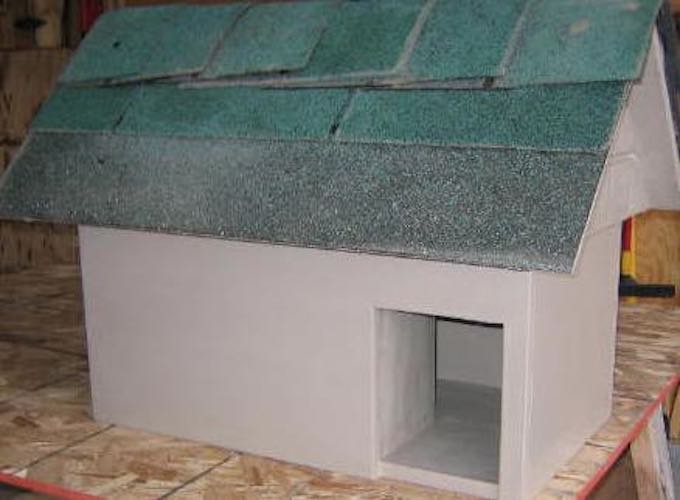
    Opening: A Purrfect Project! Ready to build a cozy and stylish cat house for your feline friend? This step-by-step guide will walk you through creating a DIY wooden cat house that's both functional and aesthetically pleasing. Get ready to unleash your inner woodworker!
    Materials and Tools: Gathering Your Supplies Before we begin, let's make sure you have everything you need. This will prevent interruptions later on.
  • Wood (plywood, pine, or cedar are good choices) Dimensions will depend on the size cat house you desire. A common starting point is 24" wide x 18" deep x 18" high.
  • Saw (circular saw, jigsaw, or hand saw)
  • Drill with drill bits and screwdriver bits
  • Screws or nails
  • Wood glue
  • Measuring tape
  • Pencil
  • Sandpaper (various grits)
  • Paint or stain (optional)
  • Safety glasses
  • Dust mask
  • Clamps (optional, but helpful)
  • Step 1: Planning and Design Decide on the size and design of your cat house. Sketch out a simple plan with measurements for each piece of wood. Consider adding features like a covered porch, multiple levels, or a scratching post attachment. A simple rectangular box with an entrance hole is a great starting point.
    Step 2: Cutting the Wood Use your measurements and saw to cut the wood pieces according to your plan. Be sure to wear safety glasses and a dust mask. Double-check your measurements before each cut to avoid errors.
    Step 3: Assembling the Base Start by assembling the base of the cat house. Apply wood glue to the edges of the base pieces and then screw or nail them together. Use clamps to hold the pieces in place while the glue dries.
    Step 4: Adding the Walls Next, attach the side walls to the base using the same method: wood glue and screws or nails. Ensure the walls are aligned correctly and are square to the base.
    Step 5: Creating the Roof Construct the roof frame and attach the roof panels. If you want a slanted roof, adjust the angles of the frame accordingly. Again, use wood glue and screws or nails for a strong connection.
    Step 6: Cutting the Entrance Use a jigsaw or drill to cut out the entrance hole. A circular or arched entrance is common, but you can choose any shape you like. Be sure to sand the edges of the entrance to remove any splinters.
    Step 7: Sanding and Finishing Sand all the surfaces of the cat house to smooth out any rough edges or imperfections. Start with a coarser grit sandpaper and gradually move to finer grits. Once the sanding is complete, you can paint or stain the cat house to protect the wood and give it a personalized look. Let the paint or stain dry completely before moving on to the next step.
    Step 8: Adding Optional Features Now is the time to add any optional features you planned, such as a covered porch, multiple levels, or a scratching post. Get creative and customize the cat house to suit your cat's needs and preferences.
    Step 9: Final Touches and Testing Give the cat house a final inspection and make any necessary adjustments. Place a soft blanket or cushion inside to make it cozy and inviting. Then, introduce your cat to their new home!
    Conclusion: A Happy Cat, A Happy Builder! Congratulations, you've built a beautiful and functional cat house! Your feline friend will surely appreciate their new sanctuary. This project not only provides your cat with a safe and comfortable space but also gives you the satisfaction of creating something with your own hands. Enjoy the fruits (or rather, the *meows*) of your labor!
    ```

    Cat House

    Cat house freewoodworkingplan.com

    Cat House Woodworking Plans & Cut List Digital File

    Cat house woodworking plans & cut list digital file www.etsy.com

    Log Cabin Cat House

    Log cabin cat house freewoodworkingplan.com
    Read More..